Packing Guide
Packing Tips for a Stress-Free House Relocation
The packing stage decides whether you unpack happily or spend a week gluing broken cups. Here's how our crew does it.
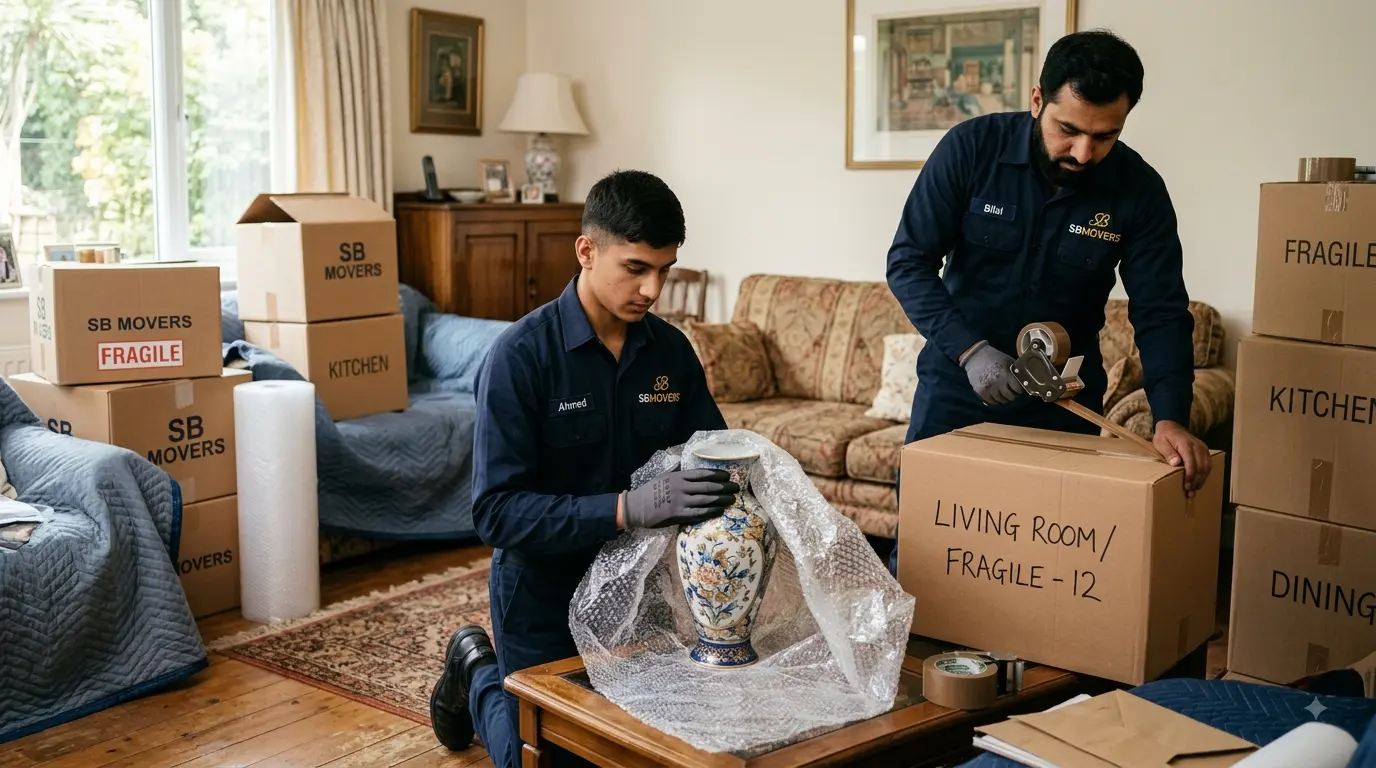
After a decade of packing homes from F-11 in Islamabad to DHA in Lahore, we can tell you the truth: most damage in a move is not caused by the truck, it's caused by poor packing. A good pack is half the battle. You can hand the whole job to our household goods relocation team, or do part of it yourself with the method below.
Start With a Room-by-Room Plan
Don't pack the whole house at once. Work one room at a time so nothing gets mixed:
- Week 3: storeroom, books, off-season clothes
- Week 2: spare bedroom, living room decor
- Week 1: main bedroom and bathroom
- Final 3 days: kitchen and daily-use items only
Materials That Actually Hold Up
- Double-wall cartons for books and crockery
- Bubble wrap for corners of frames and electronics
- Stretch film to keep drawer contents in place
- Packing paper or old newsprint for wrapping
- Strong tape and permanent markers for labelling
- Blankets or moving pads for furniture edges
Fragile Items Need Respect
Wrap each plate separately and pack vertically like records — a stacked plate takes impact on the whole pile, a vertical one takes it on the edge. Glasses go in a separate small carton with paper stuffed inside. Mirrors and framed art get a cardboard sleeve and a "FRAGILE / THIS SIDE UP" mark on two faces. On long routes like Karachi to Islamabad we add a corrugated edge protector so a jolt doesn't crack the glass.
Electronics and Documents
Keep original boxes for TVs and monitors if you saved them. If not, wrap the screen in a soft cloth first, then bubble wrap, never directly. Important papers — CNIC copies, property documents, school records — travel with you in a personal bag, not in the truck. That single habit has saved more than one client a panic at the new address.
Label Like Your Future Self Will Thank You
Write the destination room and a short content note on two sides of every box. Keep one master list on your phone. On delivery day, our crew drops each carton in the right room and you're not opening fifteen boxes to find the kettle. If you'd rather we handle the full pack, our packers and movers service includes inventory and labelling as standard.
Frequently Asked Questions
When should I start packing before a move?
Start two to three weeks out. Begin with storage rooms and off-season clothes, then tackle the kitchen in the final three days. Leaving packing to the last night is the main cause of broken items.
What packing material actually works for crockery?
Use a double-wall carton, a base layer of crumpled paper, each plate wrapped individually in tissue or newsprint, and a divider. Bubble wrap is best reserved for the outer corners of the box, not every plate.
Should I pack myself or let the movers do it?
Let trained packers handle glass, electronics and valuables. You can pre-pack books, clothes and toys to save cost. Mixed packing is common and keeps the bill sensible.
How do I label boxes so unpacking is easy?
Write the room and a one-line content list on two sides, plus mark 'FRAGILE' or 'THIS SIDE UP' clearly. Keep a master inventory on your phone so you know what is in which truck.
What should never go in the moving truck?
Gas cylinders, paints, thinners, opened bleach, and perishable food. These are safety risks and most carriers, including us, will refuse them.
Read Next
More Transport Guides
Let Trained Packers Handle It
From fragile crockery to office files, Sohail Brothers packs, labels and insures your move end to end.