Pricing
What Drives Car Transport Cost in Pakistan (2026)
Why two quotes for the same route can differ by ten thousand rupees — and how to read a rate sheet without getting stung.
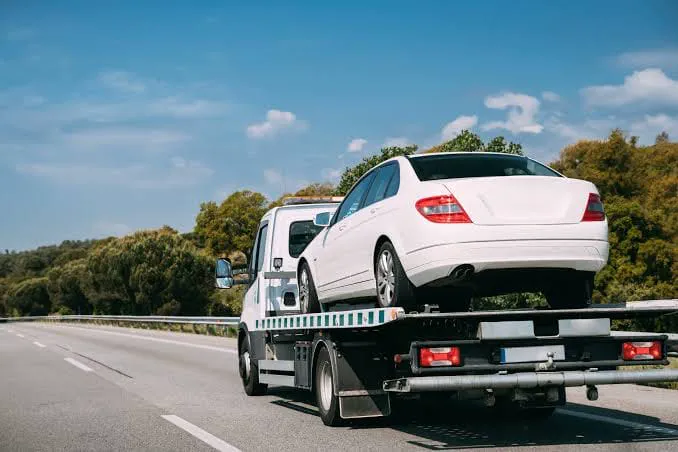
"Bhai, how much for Karachi to Lahore?" is the question we hear most, and the honest answer is "it depends" — but not in a slippery way. The bilty is built from a handful of clear inputs, and once you know them you can judge any quote. We've priced these corridors since 2014, through diesel spikes and Eid rushes, so here's the real breakdown.
For live brackets, our car carrier charges in Pakistan page lists current ranges, and the car transport service page explains what's included.
1. Distance — The Base
Everything starts with the corridor. A short Islamabad–Rawalpindi hop costs a fraction of Karachi–Peshawar. Distance sets the fuel, driver hours, and tolls, so it's the spine of the rate.
2. Vehicle Size and Weight
A Cultus takes less deck space and weight than a double-cab or a Prado. Bigger, heavier vehicles displace more of the trailer's capacity, so they cost more. Oversized or modified vehicles are quoted case by case.
3. Fuel Surcharge
Diesel moves the rate. On a 1,200 km run, a few rupees per litre swings the bilty by a few thousand. We lock a quoted rate for a short window so a spike between your call and pickup doesn't land on you.
4. Open vs Enclosed
Enclosed carries fewer cars and costs more to run, so it carries a 30–60% premium over open on the same route. If you don't need the vault, don't pay for it — we'll say so.
5. Insurance Value
Transit cover is usually included up to a standard declared value. Very high-value cars may carry a small extra premium tied to the declared amount. Ask the excess — that's the part you'd pay on a claim.
6. Season and Timing
Rates climb around Eid, the end of school terms, and the June–August relocation season when everyone moves cities. Booking two weeks out and being flexible on the day usually saves you money. Monsoon also adds delay risk, not cost.
7. Door-to-Door vs Terminal
Terminal-to-terminal is cheapest — you drop at and collect from our yard. Door-to-door adds a local shuttle for the trailer or a driver, which costs more but saves you the run. We itemise it so you choose.
The Advance Terms
We take 70% advance to reserve the slot and 30% on safe delivery. A company demanding 100% up front before seeing the car is a flag worth heeding — it removes their incentive to perform.
Frequently Asked Questions
What are the main factors in car carrier charges?
Distance is the biggest, then vehicle size and weight, fuel surcharge, the trailer type (open vs enclosed), insurance value, and whether you pick door-to-door or terminal-to-terminal. Season pushes rates up around Eid and peak summer moves.
Why do prices vary so much between companies?
Some quote a bare trailer rate and add loading, unloading, and fuel later. Others, like us, quote all-in. A cheap headline number often hides charges that appear at the yard — always ask what's included.
Are there hidden charges in car transport?
There shouldn't be. Loading, unloading, basic insurance, and fuel are normally in the rate. Ask upfront whether city tolls, waiting time, or floor-carry to a top-floor apartment are extra so nothing surprises you.
Does the fuel surcharge change the bilty?
Yes, on long corridors. When diesel moves, carrier rates move with it, usually by a few thousand rupees. We hold a quoted rate for a short window so you're not hit by a spike between enquiry and pickup.
Is car carrier cheaper than driving myself?
Often close. Once you add fuel, tolls, a hotel, and wear for a 1,200 km run, the carrier bilty is frequently comparable — and it's insured. See our driving-vs-carrier comparison for the full maths.
Read Next
More Transport Guides
Get a Rate You Can Read
A written, all-in quote for your corridor — distance, fuel, insurance, and no hidden yard fees.